For more than 30 years, Mpala has supported field-based research and teaching that advances understanding across a wide range of disciplines including climate change, biodiversity, health, coexistence, energy systems, and so much more.
Across 48,000 acres
of Laikipia savanna.
Spanning ecology, health,
climate, and people.
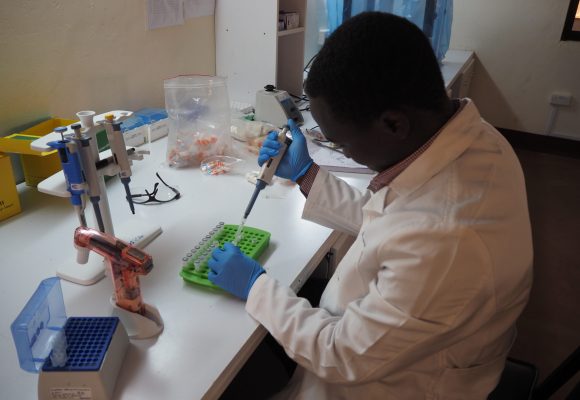
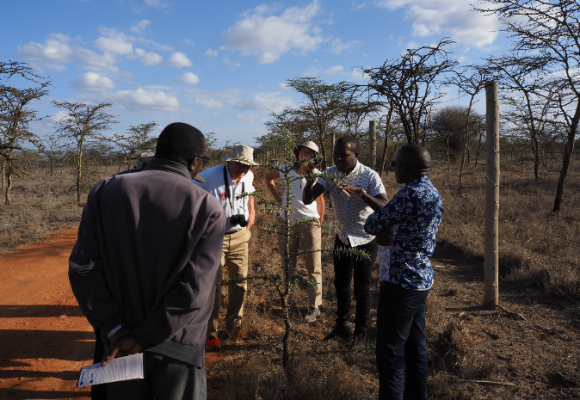
Mpala supports researchers from around the world conducting field-based studies in disciplines ranging from ecology and wildlife biology to health, engineering, climate science, and the social sciences.
Mpala provides immersive learning opportunities through field courses, internships, digital curriculum resources, and hands-on research experiences for students at every level.
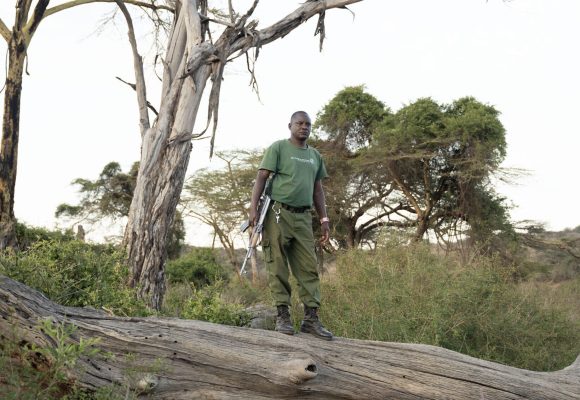
As a working conservancy, conservation is woven into everything we do. Our mandate is to steward the flora and fauna for Kenya and for the planet. Mpala also advances science-informed stewardship of wildlife, habitats, and natural resources through both research and daily operations.
Mpala recognizes that our community is our strength. Our Community Outreach Committee works closely with neighboring communities, institutions, and partners across Kenya to support collaboration, education, and shared stewardship of the landscape.
Mpala supports researchers from around the world conducting field-based studies in disciplines ranging from ecology and wildlife biology to health, engineering, climate science, and the social sciences.
Savanna Ecology & Ecosystems
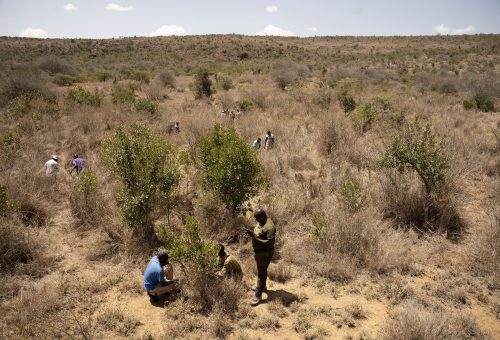
30+ years tracking how cattle, wildlife, and mega-herbivores shape savanna ecosystems through controlled exclusion plots.
Savanna Ecology & Ecosystems
Simulating size-based mammal extinctions across a rainfall gradient to test how climate mediates herbivore impact.
Wildlife & Biodiversity
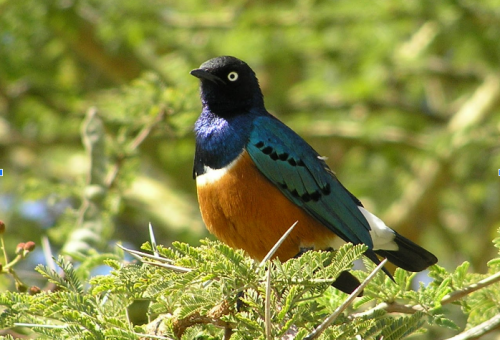
Tracking 2,500+ tagged birds to understand the evolution of social groups in harsh, drying landscapes.
Wildlife & Biodiversity
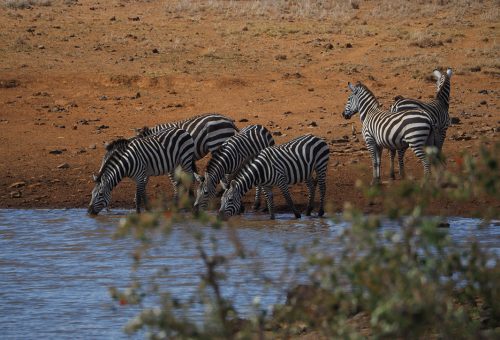
Using AI and computer vision to study why plains zebras thrive while their endangered Grevy’s cousins decline.
Wildlife & Biodiversity
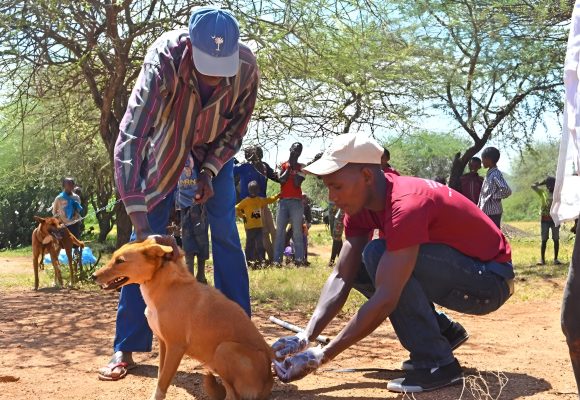
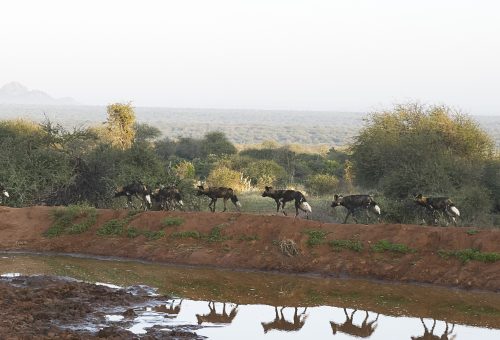
25 years of community partnership to recover one of Africa’s most endangered carnivores after a 2017 disease outbreak.
Access our comprehensive resources to support your research and teaching